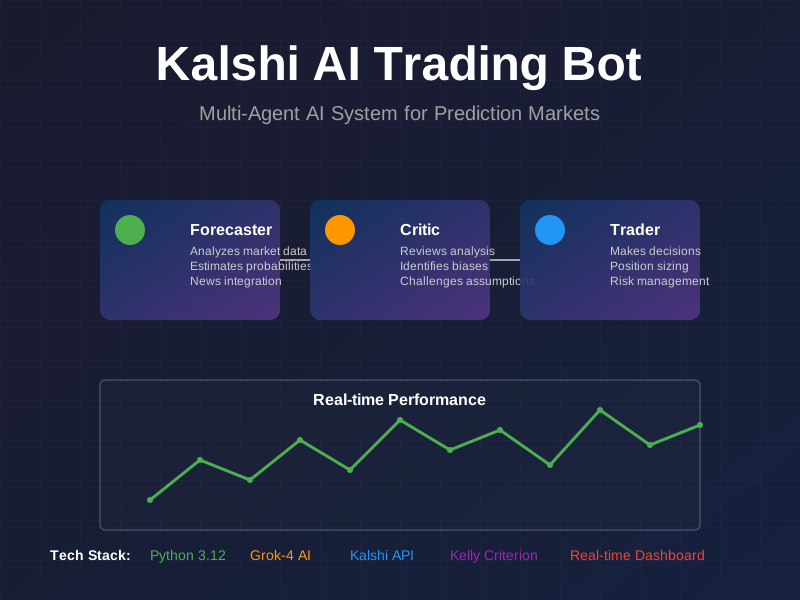
Kalshi AI Trading Bot is a sophisticated, multi-agent AI-powered trading system designed for Kalshi prediction markets. This experimental project combines cutting-edge AI technology with quantitative trading strategies to create an intelligent, autonomous trading system.
Built for educational and research purposes, the bot demonstrates advanced concepts in AI decision-making, portfolio optimization, and real-time market analysis.
🤖 Multi-Agent AI Decision Engine
- Forecaster Agent: Estimates true probability using market data and news analysis
- Critic Agent: Identifies potential flaws and missing context in analysis
- Trader Agent: Makes final BUY/SKIP decisions with optimal position sizing
📊 Advanced Trading Capabilities
- Real-time Market Scanning: Continuous monitoring of Kalshi markets for opportunities
- Portfolio Optimization: Kelly Criterion and risk parity allocation strategies
- Live Trading: Direct integration with Kalshi API for real-time order execution
- Market Making: Automated spread trading and liquidity provision
- Dynamic Exit Strategies: Intelligent position management and risk control
- Maximum Daily Loss Limits: Automated risk controls to protect capital
- Position Size Constraints: Kelly Criterion-based optimal sizing
- Correlation Analysis: Portfolio diversification and risk mitigation
- Python 3.12+: High-performance backend with type hints
- Grok-4 Integration: Primary AI model for market analysis
- Multi-Model Support: Fallback to alternative AI models when needed
- Real-time Dashboard: Web-based monitoring and control interface
┌─────────────────┐    ┌─────────────────┐    ┌─────────────────┐
│   Market Data   │    │   AI Analysis   │    │   Trade Exec    │
│   Ingestion     │───▶│   Engine        │───▶│   & Tracking    │
└─────────────────┘    └─────────────────┘    └─────────────────┘
         │                       │                       │
         ▼                       ▼                       ▼
┌─────────────────┐    ┌─────────────────┐    ┌─────────────────┐
│   Database      │    │   Portfolio     │    │   Performance   │
│   Storage       │    │   Optimization  │    │   Analytics     │
└─────────────────┘    └─────────────────┘    └─────────────────┘
1. Multi-Agent Decision Making
- Forecaster: Analyzes market data, news, and historical patterns to estimate true probabilities
- Critic: Reviews forecasts for potential biases, missing context, or logical flaws
- Trader: Synthesizes inputs to make final trading decisions with position sizing
2. Portfolio Optimization
- Kelly Criterion: Optimal position sizing based on edge and odds
- Risk Parity: Balanced risk allocation across positions
- Dynamic Rebalancing: Automatic portfolio adjustments based on market conditions
- Spread Trading: Profiting from bid-ask spreads
- Liquidity Provision: Providing market liquidity when profitable
- Inventory Management: Risk-controlled position management
- Total P&L and Win Rate: Comprehensive performance tracking
- Sharpe Ratio and Drawdown Analysis: Risk-adjusted returns
- AI Confidence Calibration: Validation of AI decision accuracy
- Cost per Trade Analysis: Optimization of AI usage costs
- Live Trading Activity: Real-time monitoring of all trades
- Portfolio Overview: Current positions and allocation
- Performance Charts: Historical performance visualization
- Risk Metrics: Real-time risk monitoring
- AI Decision Logs: Detailed analysis of AI reasoning
This project serves as a comprehensive example of:
- AI Integration in Trading: How to effectively combine multiple AI models
- Risk Management: Implementing sophisticated risk controls
- Real-time Systems: Building high-performance trading infrastructure
- Portfolio Theory: Practical application of quantitative finance concepts
- API Integration: Working with financial market APIs
- Type Hints: Full Python type annotation for reliability
- Modular Architecture: Clean separation of concerns
- Comprehensive Testing: Unit and integration tests
- Documentation: Detailed inline documentation and guides
Performance Optimizations
- Async Processing: Non-blocking market data processing
- Cost Optimization: Smart AI usage to minimize analysis costs
- Memory Management: Efficient data structures and caching
- Error Handling: Robust error recovery and logging
- Machine Learning Models: Custom ML models for pattern recognition
- Advanced Risk Models: More sophisticated risk management
- Multi-Exchange Support: Extension to other prediction markets
- Backtesting Framework: Historical strategy validation
- Community Features: Shared strategies and insights
- AI Decision Transparency: Understanding AI reasoning in financial contexts
- Market Efficiency Studies: Analysis of prediction market efficiency
- Behavioral Finance: Study of market participant behavior
- Risk Modeling: Development of new risk management approaches
⚠️ Educational Purpose Only
- This software is for educational and research purposes
- Trading involves substantial risk of loss
- Only trade with capital you can afford to lose
- Past performance does not guarantee future results
- This software is not financial advice
The project is open source under the MIT License, encouraging:
- Community Collaboration: Shared development and improvements
- Educational Use: Learning opportunities for developers
- Research Applications: Academic and commercial research
- Transparency: Open codebase for review and improvement
This project represents a significant step forward in demonstrating how AI can be responsibly applied to financial markets while maintaining educational value and transparency.